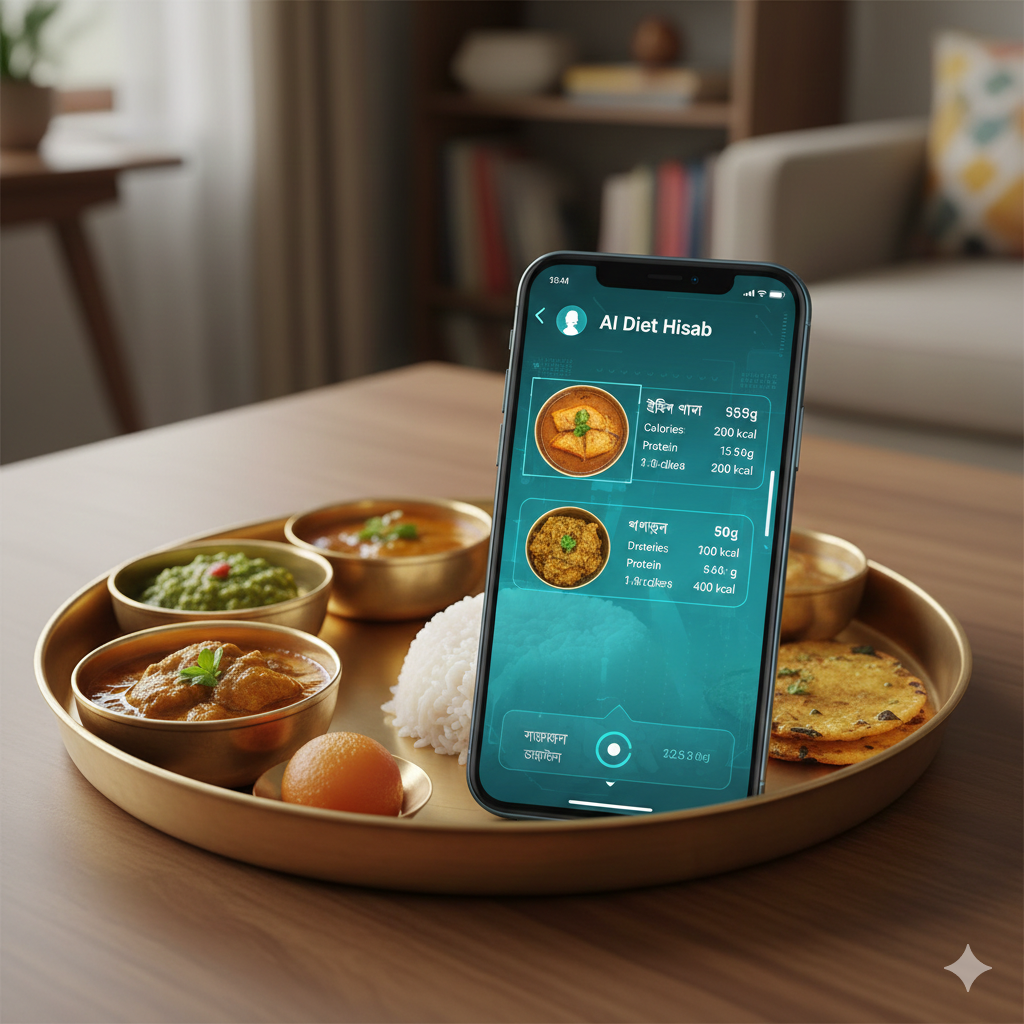
For the quintessential Kolkata Bhadralok, life revolves around a few core pillars: spirited adda sessions, a deep appreciation for culture, and, of course, an unwavering love for food. From the Sunday special luchi-mangsho to the festive indulgence of a perfectly steamed Bhetki Paturi, our cuisine is an integral part of our identity.
Yet, in this modern age, a new concern has crept into our chinta: health and wellness. The challenge isn’t a lack of desire to stay fit, but a practical one—how do you balance a diet steeped in tradition with modern calorie counting? It feels almost sacrilegious to reduce a lovingly prepared meal to mere numbers. But what if Artificial Intelligence could serve not as a critic, but as your personal health guide?
Navigating Nutrition: From Paturi to Pixels
The biggest hurdle for any Bengali trying to track their diet is its beautiful, delicious complexity. Unlike a standardized burger from a global chain, the nutritional value of a dhokar dalna can vary wildly from a home kitchen in Salt Lake to a famous dokan in Gariahat.
Manually logging these meals is a tedious affair, often based on guesswork. It’s easy to get discouraged and conclude that modern health fads simply don’t understand the “soul” of our food. This is where AI-powered nutrition apps like Healthify or NutriScan (which are booming in 2026) change the game.
Now, you can simply take a picture of your plate—your ilish bhapa, your pulao, or even a side of begun bhaja—and the AI analyzes the pixels. It translates the art of your meal into actionable data.
-
Informed Choices: See the impact of that extra rosogolla and decide if it fits your hisab for the day.
-
Portion Control: Visually understand what a healthy portion of bhaat actually looks like.
-
Long-Term Tracking: Effortlessly monitor your progress over weeks without the headache of manual typing.
Your Phone as a Personal Nutrition ‘Karigor’
Think of these AI apps not as a rigid rulebook, but as a personal Karigor—a skilled craftsman dedicated to your well-being. Just as a master artisan in Burrabazar understands his materials, these apps learn your patterns, your goals, and your shaukh.
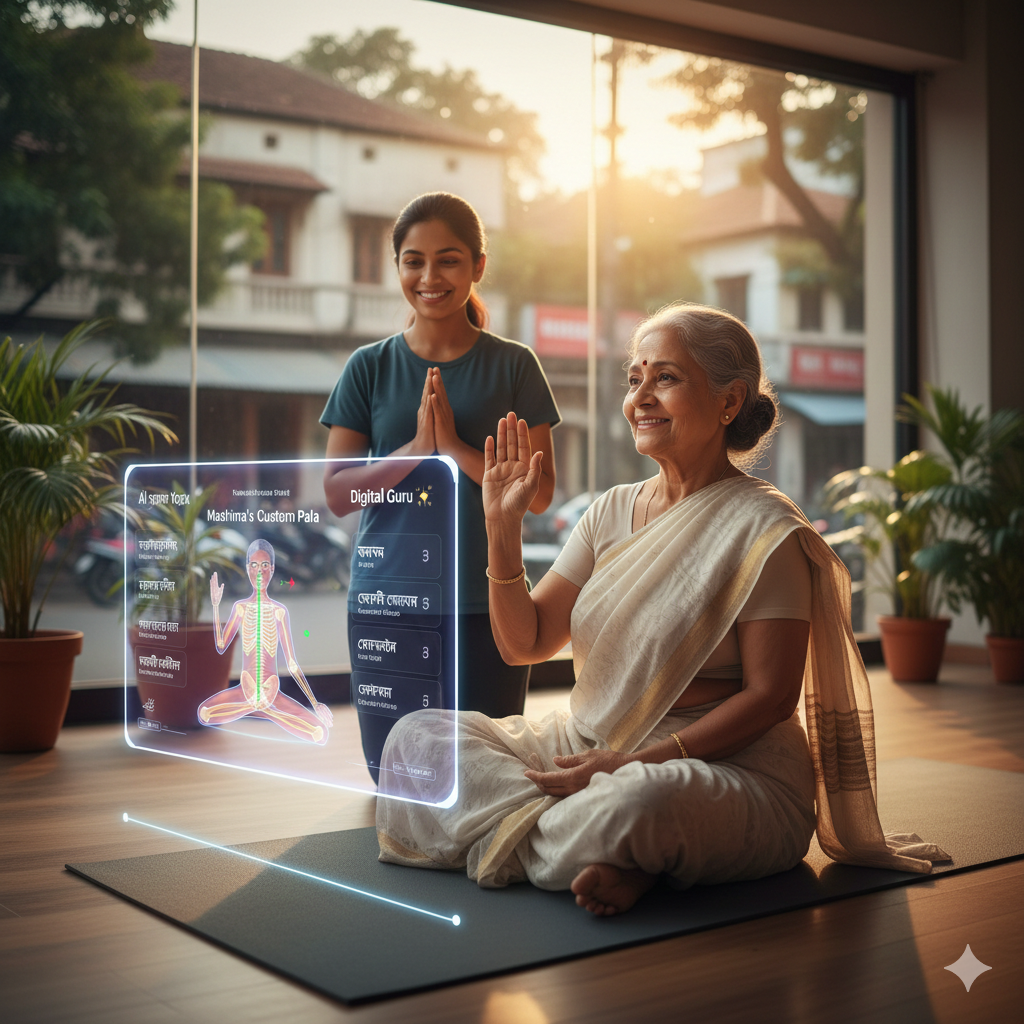
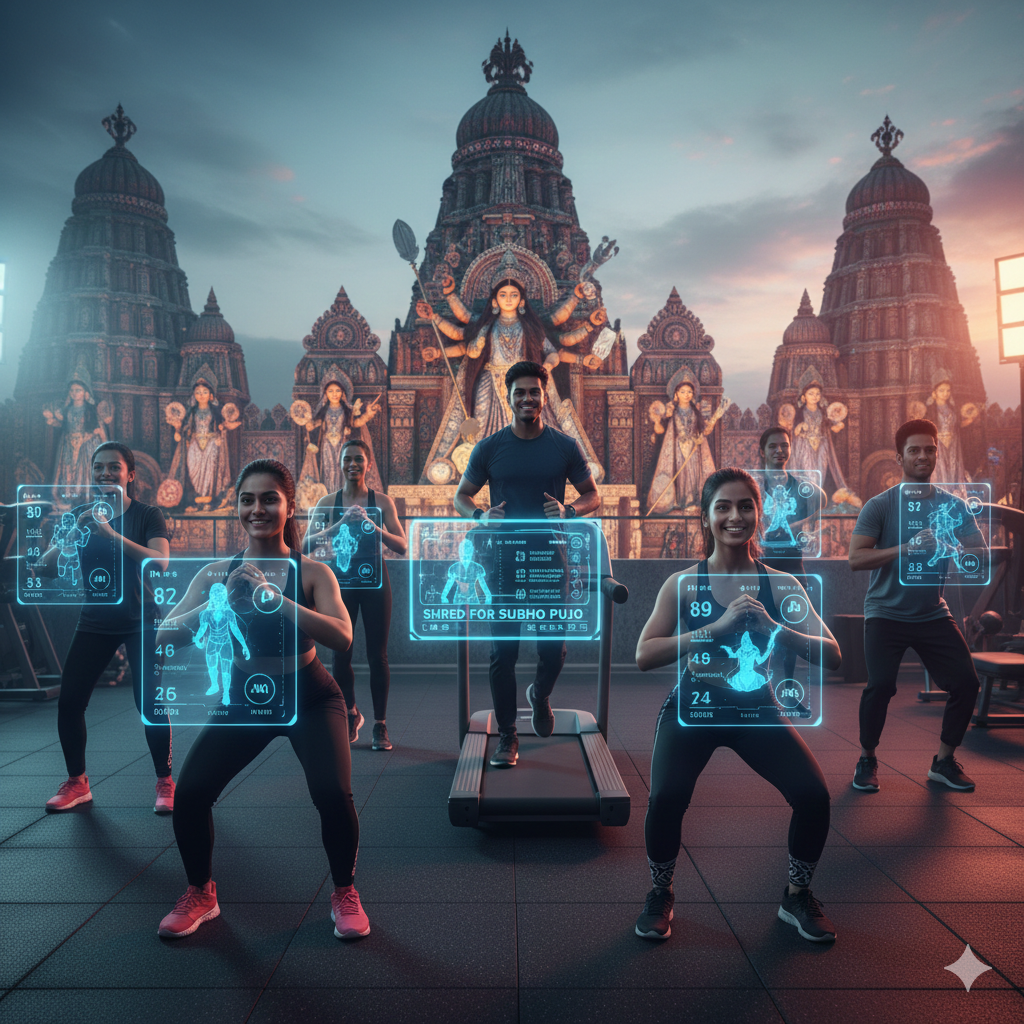
They don’t offer a generic, one-size-fits-all plan. Instead, they tailor feedback specifically to you—whether you want to lose a few kilos before Pujo or manage your blood sugar levels.
Imagine you’re caught in the pre-Pujo rush in Gariahat and grab a quick snack from a vendor. Instead of feeling guilty, you quickly log it. The AI then suggests a lighter dinner to keep your day balanced. It brings a level of mindfulness to our spontaneous eating habits without the feeling of restriction.
The Digital Mahajan’s ‘Bhalo’ Advice: What to Look For
In 2026, not all apps are created equal. When choosing your digital health partner, ensure it has:
-
A Local Database: It must know the difference between Cholar Dal and Mughlai Paratha.
-
Image Recognition: Look for a reliable “Snap-to-Track” feature.
-
Bengali Context: The best apps now understand regional cooking methods, like the difference between bhapa (steamed) and bhaja (fried).
Pro Tip: Start slow. Don’t try to track every single morsel from Day 1. Begin by tracking just your lunch. Building a new habit is like building a loyal grahak base; it requires patience, consistency, and a focus on long-term value.
Conclusion: Tradition Meets Wisdom
Embracing AI for health is not about abandoning tradition; it’s about enhancing it with wisdom. It allows the modern Bhadralok to navigate wellness with confidence, ensuring we can enjoy our mishti, our maach, and our festive feasts for many healthy years to come.
It’s the perfect blend of our cherished past and a smarter, healthier future.